
Filter by

Who Owns the Referral? The Question Every Specialty Buyer Is Really Asking
In specialty dentistry, a buyer isn’t just evaluating your revenue. They’re evaluating whether your referral relationships will survive after you leave. Learn how referral concentration, owner dependence, transition planning, and realistic earnings can affect your practice valuation and what you can do now to strengthen your position before a sale.
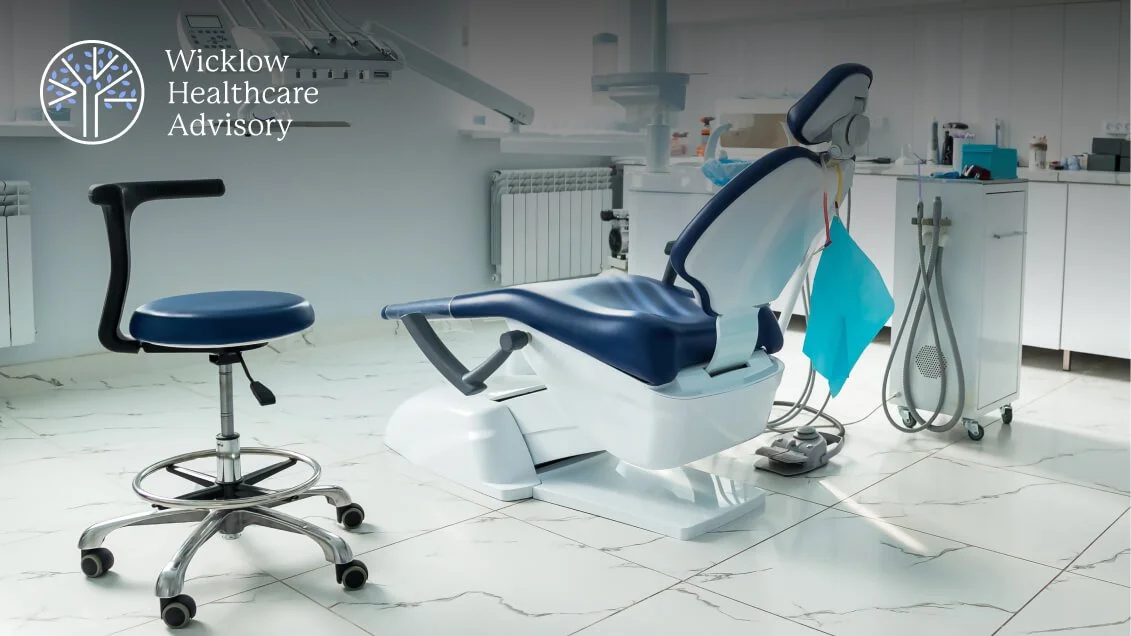
Your Build-Out Isn't the Asset—What Dental Buyers Actually Pay For
Your dental practice’s value isn’t determined by how much you spent on the build-out. Buyers focus on sustainable earnings, hygiene production, patient retention, team stability, payor mix, and lease terms. A modern office can protect your valuation, but strong financial performance is what ultimately sets the price.

Capacity, Not Demand—The Ceiling You Built Yourself
Many veterinary practices are not limited by demand. They are limited by operating hours, staffing choices, and services they choose not to offer. For owners preparing to sell, documenting unused capacity, turned-away clients, referral leakage, and scheduling constraints can turn perceived limitations into a credible growth story for buyers.

The Most Valuable Thing an Aging Owner Can Do Is Become Less Important
For aging dental practice owners, the key to a stronger sale is making the business less dependent on them. Buyers want predictable revenue that will continue after the founder retires. By shifting production to associates, strengthening retention and planning the transition several years in advance, owners can reduce risk, improve valuation and retire on better terms.

The Review You Keep Putting Off Will Show Up at Your Closing Table
When veterinary or dental practice owners delay employee reviews, the issue can surface at the worst possible time: during a sale. Key staff may ask for raises, threaten to leave, or raise unresolved concerns while a buyer is evaluating the stability of the team. A simple, consistent review process helps retain employees, reduce risk, and protect the value of the practice.

Wicklow Welcomes Curtis Regimbal as Director, Healthcare Merger & Acquisitions
Wicklow Healthcare Advisory welcomes Curtis Regimbal as Director, Healthcare Merger & Acquisitions, bringing extensive experience in practice growth, financing, brokerage, and ownership transitions.

The Doctor Who Stays—Earnouts, Buybacks, and Equity Rolls
Earnouts, equity rollovers and buybacks can make a dental practice offer look more valuable than the amount a seller ultimately receives. Learn how these deal structures work, where the risks are and what to consider before agreeing to stay after the sale.

Insurance vs Fee-for-Service—The Story Buyers Want to Hear
Your dental practice’s insurance mix tells buyers far more than where today’s revenue comes from. It reveals margins, pricing flexibility, patient loyalty, growth potential, and future risk. Learn how buyers evaluate fee-for-service and PPO revenue, and what you can do before selling to strengthen your practice’s value.

DSOs vs Independent Buyers — Picking Your Lane
Should you sell your dental practice to a DSO or an independent buyer? This article breaks down the tradeoffs behind each path, from cash at close and equity rollover to EBITDA, transition timelines, control, and what you want life to look like after the sale.

Hygiene Production Is Your Listing's Headline
Hygiene production is one of the first numbers buyers look at when evaluating a dental practice. A strong hygiene department signals patient retention, recurring revenue, and a healthier practice valuation.

Thinking About Ownership Without Blowing Up Your Associate Dentist’s Job
Many associate dentists quietly consider practice ownership, but exploring that path too early or too publicly can create tension. This guide explains how to think about dental practice ownership strategically, build the right advisory team, and protect your associate role while preparing for future opportunities.

The Tax Trap: When “Smart” Tax Planning Quietly Hurts Practice Value
Many veterinary and dental practice owners focus on minimizing taxes each year. But aggressive tax strategies can distort financials, weaken reported earnings, and reduce practice value at sale. Here’s how the “tax trap” develops—and how to protect long-term enterprise value without sacrificing smart tax planning.

Why Your CPA Needs to Understand Your Dental Practice
Dental practices don’t operate like typical small businesses. From associate compensation to collections and EBITDA, the wrong CPA can quietly cost you real money. Here’s why dental-specific accounting matters and why the start of the year is the smartest time to make a change.

New Year, New You? 3 New Year’s Resolutions for Practice
The new year is a smart time for practice owners to step back and focus on what actually moves the needle. From cleaning up financials to making simple facility improvements and understanding true practice value, these three practical resolutions can put dentists and veterinarians in a stronger position for the year ahead—whether growth, stability, or a future transition is the goal.

Free Brokerage Services? Not so fast…
If you’re selling your dental or veterinary practice and come across an “advisor” claiming their services are free because the buyer pays the fee — stop and ask questions. What sounds like a perk can actually be a major conflict of interest that costs you real money. Here’s what every seller should know before signing on.

Failure to Launch: How not having a realistic view of the market damages a seller’s ability to have a successful sale
Too many deals fall apart, not because the business isn’t strong, but because the seller’s expectations don’t line up with reality. In this blog, we share a real example of a practice that looked great on paper but never got to closing, and the lessons every seller should learn before going to market.

Are You Really Ready to Sell Your Practice?
When an owner starts thinking about selling, the first question is usually, “What’s my practice worth?” That’s an important question—but not the first one you should be asking. The real starting point is making sure you are ready: financially, mentally, and strategically.

You’re Not Selling a Practice—You’re Selling a Transition
When it comes time to sell your practice, the numbers aren’t enough. Buyers aren’t just purchasing equipment and financials — they’re buying confidence that the team will stay, the clients won’t leave, and the transition will be smooth. At Wicklow, we help practice owners prepare, position, and transition so they can maximize value and close with certainty.

Main Street vs. Wall Street: Why SDE Matters More Than EBITDA for Single-Provider Practices
We say this often at Wicklow, because it’s a critical distinction that many buyers (and even some advisors) miss. When a corporate buyer or private equity group is evaluating a multi-doctor practice, they want to know what the business throws off in pure operational profit—before interest, taxes, depreciation, and amortization.

Startup vs. Acquisition: Which Path Should You Take as a Practice Buyer?
If you’re exploring practice ownership, one question comes up every time: “Should I buy an existing practice, or should I start one from scratch?” The real answer is: it depends on you — and the vision you have for your future.